Deforestation has emerged as one of the leading environmental issues of our time, contributing to a multitude of problems, including the loss of biodiversity, soil erosion, and the exacerbation of climate change. With over 18 million hectares of forest lost annually, innovative technologies have become vital in combating this environmental crisis. One such technology is charcoal making equipment, which plays a pivotal role in reducing the pressure on forests while also contributing to carbon sequestration efforts.
Reducing Pressure on Forests
Traditionally, charcoal production has been reliant on the unsustainable harvesting of wood, which accelerates deforestation. However, modern charcoal making equipment has revolutionized this process by enabling the use of various biomass sources that would otherwise go unused. Agricultural waste, sawdust, and other forms of organic material can now be converted into charcoal through advanced pyrolysis methods. This shift not only reduces the demand for wood from forests but also provides an efficient use for otherwise discarded biomass.
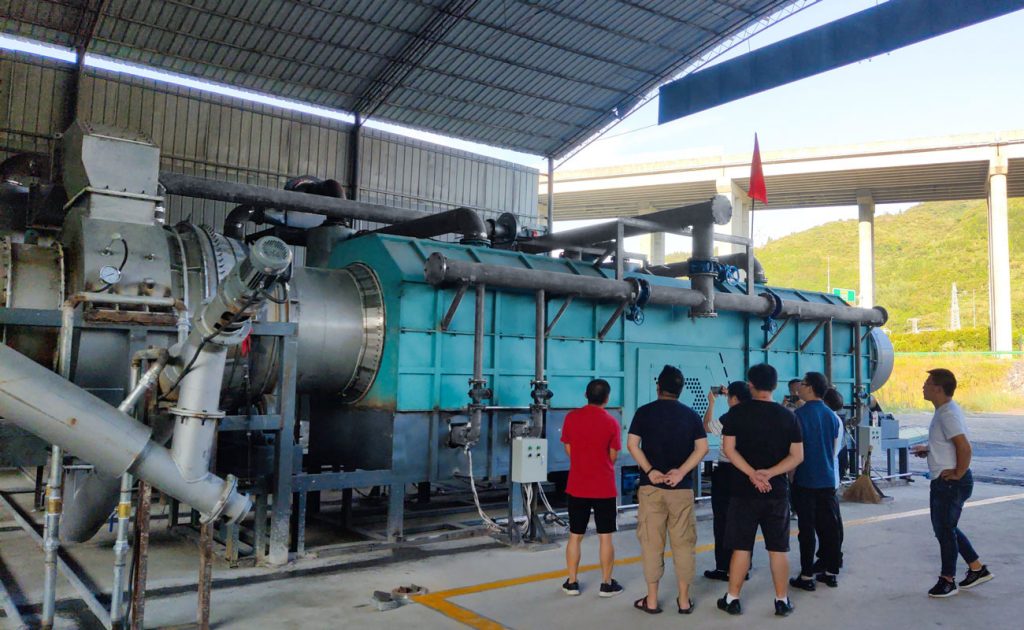
By utilizing waste material, a biochar maker for sale offers an effective way to minimize the environmental impact of traditional charcoal production methods. These machines make it possible to transform low-value organic waste into high-value biochar, a product that has numerous applications in agriculture and industry. As such, the carbon footprint associated with charcoal production is significantly reduced, making it a more sustainable alternative.
Contributing to Climate Change Mitigation
Charcoal production, when carried out using conventional methods, releases large amounts of carbon dioxide (CO2) into the atmosphere, further exacerbating the climate crisis. However, with the use of wood charcoal making machine for sale, the process has been streamlined to capture and store carbon in the form of biochar. Biochar is a stable form of carbon that can be stored in the soil for centuries, making it an essential tool in the fight against climate change.
This sequestration of carbon helps mitigate the greenhouse gases responsible for global warming. Biochar’s porous structure also enhances soil fertility and water retention, making it a valuable addition to agricultural practices, especially in areas affected by soil degradation. As a result, charcoal production now offers an opportunity to close the loop on carbon emissions, turning waste into a long-term solution for carbon storage.
Economic and Environmental Benefits
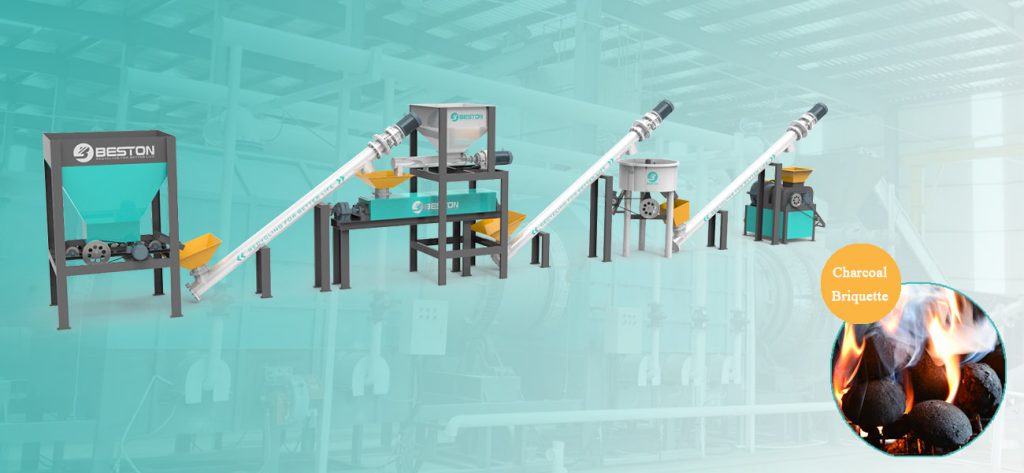
The environmental benefits of charcoal making machines are clear, but there are also significant economic advantages. The charcoal briquette machine price is highly competitive when compared to traditional methods of charcoal production, making it an accessible option for both small-scale producers and large-scale enterprises. The versatility of these machines further enhances their value, allowing for the production of high-quality charcoal briquettes, which can be sold at premium prices in local and international markets.
Moreover, the use of these machines helps to create job opportunities in rural areas, where charcoal production is often a primary livelihood. With the ability to process a variety of organic waste, these machines can be used in a wide range of industries, further supporting economic development and reducing reliance on deforestation.
Conclusion
Charcoal making machines represent a pivotal shift toward more sustainable practices in an industry that has long been associated with environmental degradation. By enabling the conversion of waste biomass into high-value biochar, biochar maker for sale helps reduce the demand for wood, mitigate carbon emissions, and provide an effective solution for climate change. As such, the adoption of charcoal making equipment offers a multifaceted approach to addressing deforestation while simultaneously contributing to the global efforts of carbon sequestration.